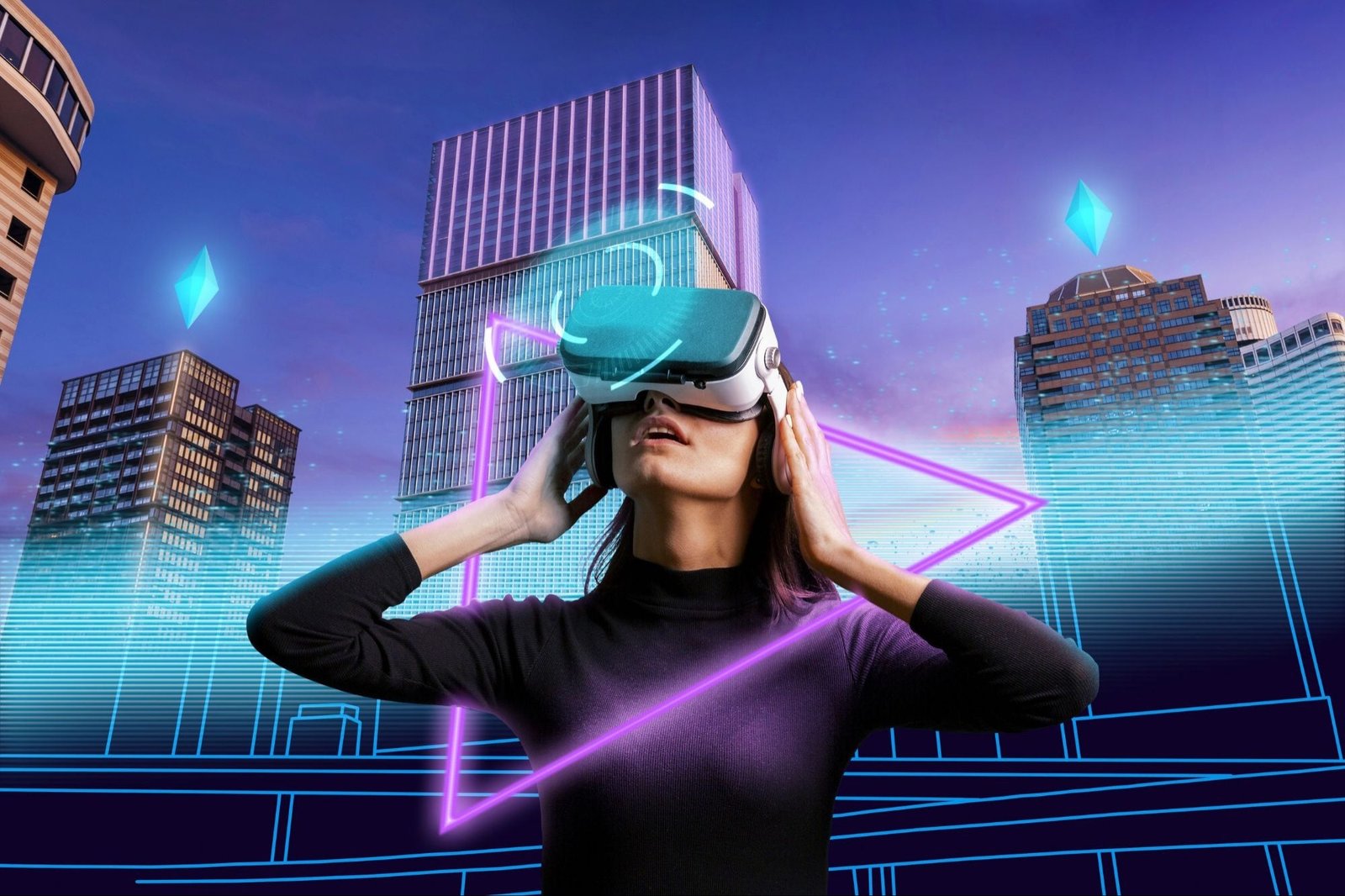
The landscape of technology is shifting rapidly, driven by advancements in artificial intelligence and machine learning. These innovations enhance data analysis and automation, reshaping various sectors. Meanwhile, quantum computing emerges as a potential game changer, promising to solve complex problems beyond current capabilities. The Internet of Things continues to improve connectivity across devices, while cybersecurity faces new challenges. As these trends unfold, they provoke crucial ethical questions that warrant further exploration.
The Rise of Artificial Intelligence and Machine Learning
As industries increasingly adopt advanced technologies, the rise of artificial intelligence (AI) and machine learning (ML) has emerged as a transformative force across various sectors.
These technologies facilitate enhanced data analysis and automation, driving efficiency.
However, the rapid expansion of machine learning applications raises critical concerns regarding AI ethics, as stakeholders must navigate issues of bias, transparency, and accountability to ensure equitable outcomes for society.
Quantum Computing: The Next Frontier
The advancements in artificial intelligence and machine learning have set the stage for another groundbreaking development in technology: quantum computing.
This emerging field aims for quantum supremacy, where quantum computers outperform classical systems. With potential quantum applications spanning cryptography, optimization, and complex simulations, the implications for industries are profound.
As research progresses, quantum computing may redefine computational limits, offering unprecedented opportunities for innovation and freedom.
See also: Technical Key Register for 934452768, 662912689, 8002002116, 919940036, 1513293786, 615805321
The Expansion of the Internet of Things (IoT)
While many industries have embraced digital transformation, the expansion of the Internet of Things (IoT) represents a pivotal shift in how devices connect and communicate.
This evolution facilitates the rise of smart homes, where appliances interact seamlessly, and enhances industrial automation, optimizing efficiency and productivity.
As connectivity expands, the potential for innovation and freedom in managing environments becomes increasingly evident in everyday life.
Cybersecurity Innovations and Challenges
Despite the rapid advancements in technology, the landscape of cybersecurity remains fraught with both innovations and significant challenges.
Emerging solutions emphasize data privacy through threat intelligence and ransomware defense. The zero trust model is gaining traction, reinforcing the need for comprehensive security measures.
However, continuous adaptation is essential as cyber threats evolve, highlighting the ongoing struggle to balance innovation with effective protection.
Conclusion
As the technological landscape evolves, these key trends serve as the threads weaving the fabric of future innovation. Artificial intelligence and machine learning are the engines driving efficiency, while quantum computing stands as the lighthouse guiding us through uncharted computational waters. The Internet of Things connects our daily lives like an intricate web, and cybersecurity innovations act as the vigilant guardians ensuring safety. Together, these advancements will shape a society increasingly defined by their interplay and ethical implications.